Thursday, 16 January 2025

How Dental Implants Help Preserve Facial Structure


A beautiful smile is often considered a reflection of overall well-being, but did you know that missing teeth can affect more than just your smile? The loss of teeth, particularly over time, can lead to changes in the shape and appearance of your face. Fortunately, dental implants offer a solution that not only restores your smile but also helps preserve your facial structure. Here’s how dental implants play a crucial role in maintaining the integrity of your face, making them an ideal choice from the best dental clinic, top dental clinic, or even an affordable dental clinic.

1. Prevents Jawbone Shrinkage

When you lose a tooth, the jawbone beneath it no longer receives the stimulation it once did from the tooth root. The root of a tooth helps maintain the bone density and volume in the jaw by stimulating the bone with regular chewing and biting pressures. Without this stimulation, the bone begins to deteriorate over time, a process known as bone resorption.

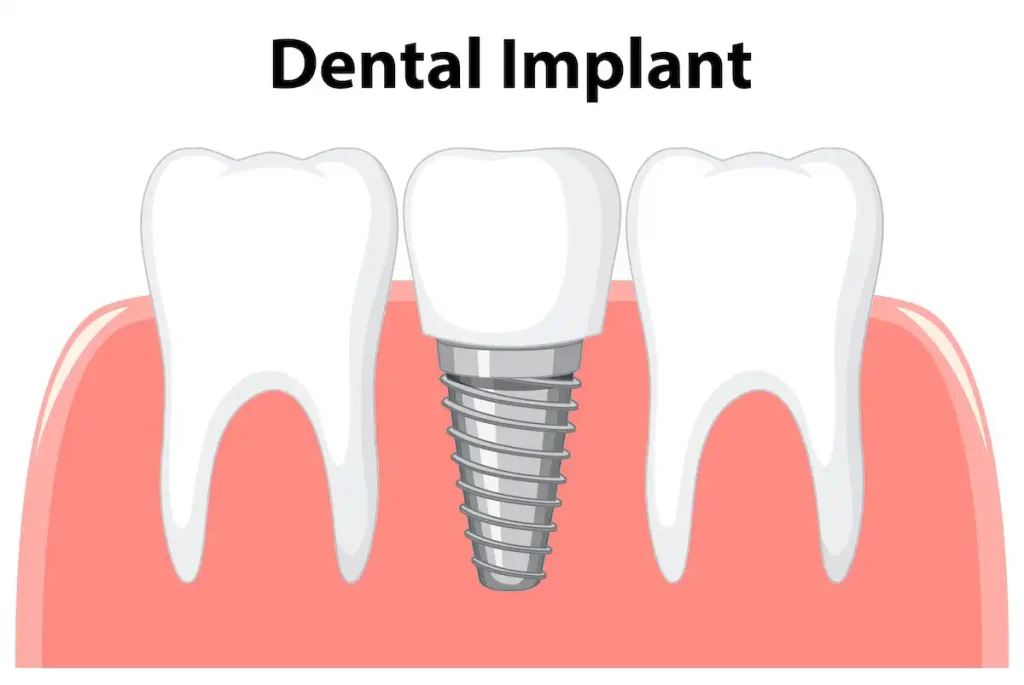
Dental implants address this problem by acting as artificial tooth roots. Made from biocompatible materials such as titanium, dental implants fuse with the jawbone in a process called osseointegration. This fusion allows the implant to provide the same type of stimulation that a natural tooth root would, preventing the bone from shrinking and maintaining the jaw's structure.

2. Maintains the Shape of Your Face

The jawbone plays a significant role in maintaining the natural contours of your face. When the bone begins to shrink due to tooth loss, it can cause the face to lose its natural volume, leading to a sunken or hollow appearance. This can affect the lower third of your face, making you appear older or causing uneven facial proportions.

Because dental implants mimic the function of natural teeth, they help maintain the shape of the jaw and, in turn, the structure of your face. By preserving the bone and preventing further deterioration, dental implants contribute to a fuller, more youthful appearance.

3. Supports Surrounding Teeth and Prevents Shifting

When a tooth is lost, the surrounding teeth may begin to shift into the gap left behind. This can result in misalignment, bite issues, and an overall change in your facial appearance. Teeth shifting can also put additional pressure on the remaining teeth, leading to further dental complications.

Dental implants fill the gap left by missing teeth, ensuring that neighboring teeth remain in place and your bite stays aligned. This not only preserves your dental health but also prevents any further alteration of your facial structure. The implant serves as a stable anchor, preventing the surrounding teeth from moving out of place and helping to maintain your smile’s symmetry.

4. Prevents Collapse of the Jawbone

In cases of severe tooth loss, the jawbone may begin to collapse, especially in the areas where teeth are missing. This collapse can affect the overall structure of the mouth and face, resulting in difficulties with speaking, chewing, and even swallowing.

By placing dental implants into the jawbone, the bone is supported and stimulated to retain its strength and form. The dental implant helps prevent the collapse of the jawbone, thus preserving your ability to chew and speak properly while maintaining your facial appearance.

5. Enhances Facial Aesthetics

Beyond just the function, dental implants can significantly improve the aesthetics of your face. Missing teeth can make you look older and change the proportions of your face. When dental implants are placed, they fill in gaps, restore the natural contours of the face, and create a more balanced look.

Implants can also enhance the smile itself, offering a natural appearance that blends seamlessly with your existing teeth. This contributes to both the functionality of your teeth and the overall aesthetics of your face, helping you feel more confident in your appearance.

6. Promotes Overall Oral Health

In addition to preserving the facial structure, dental implants promote better oral health by preventing the need for other, more invasive procedures. For example, dentures or bridges may need to be adjusted as the jawbone shrinks, which could cause discomfort or complications. Dental implants, however, are a permanent solution that supports the bone and surrounding teeth, reducing the need for ongoing adjustments and helping you maintain a healthy smile and face for years to come.

Cost Considerations for Dental Implants

While considering dental implants, it’s important to take cost into account. Choosing the right clinic—whether it’s the best dental clinic, a top dental clinic, or an affordable dental clinic—can impact both the financial and overall experience of the treatment. Factors influencing the cost include the number of implants needed, the materials used, and the complexity of the procedure. Consulting with a skilled professional ensures you get the best value for your investment.

Conclusion: Dental Implants for Facial Preservation

Dental implants do more than just restore your smile—they help preserve the integrity of your jawbone and overall facial structure. By preventing bone loss, supporting the alignment of surrounding teeth, and maintaining the natural shape of your face, implants offer a comprehensive solution for individuals with missing teeth.

If you’re concerned about the effects of tooth loss on your facial structure, dental implants could be the ideal solution. Consult with your dentist to discuss how implants can help you maintain a youthful, natural appearance while restoring your smile and confidence. Understanding dental implant treatment cost in Panvel can also help you make an informed decision about this transformative procedure.

Sunday, 12 January 2025

How Dental Clinics Use CBCT Scans for Precise Diagnoses

Cone Beam Computed Tomography (CBCT) is revolutionizing dental care by offering highly detailed, three-dimensional images of the oral and maxillofacial region. Unlike traditional X-rays, CBCT scans provide a comprehensive view, allowing dentists to diagnose and treat complex dental issues with unparalleled accuracy. Let’s explore how dental clinics utilize CBCT technology for precise diagnoses and better patient outcomes.


What Is a CBCT Scan?

CBCT is a specialized imaging technique that uses a cone-shaped X-ray beam to capture detailed 3D images of your teeth, jaw, soft tissues, and bone structures.

Key Features of CBCT Scans:

  • 3D imaging for a full view of the oral region.

  • Low radiation exposure compared to conventional CT scans.

  • Quick and non-invasive procedure, typically completed in under a minute.


Why Dentists Prefer CBCT Scans

The advanced capabilities of CBCT technology make it a preferred diagnostic tool in modern dental clinics.

1. Enhanced Accuracy

CBCT scans offer detailed visuals of hard and soft tissues, nerves, and bone structures. This precision minimizes guesswork and enables dentists to create targeted treatment plans.

2. Early Detection of Issues

With its ability to detect problems invisible on traditional X-rays, CBCT helps identify issues like bone loss, impacted teeth, or hidden infections before they worsen.


How CBCT Scans Are Used in Dental Clinics

1. Planning Dental Implants

CBCT scans are essential for evaluating bone density and structure before placing dental implants. The 3D imaging ensures:

  • Proper implant positioning.

  • Avoidance of nerves and sinuses.

  • Improved long-term success rates.

2. Assessing Impacted Teeth

For impacted wisdom teeth or other misaligned teeth, CBCT scans reveal their exact position and relationship to surrounding structures, aiding in safe extraction.

3. Diagnosing TMJ Disorders

Temporomandibular Joint (TMJ) disorders can be challenging to diagnose with standard imaging. CBCT scans provide a detailed view of the joint, helping dentists identify underlying issues and plan appropriate treatments.

4. Evaluating Jawbone Health

Bone diseases, cysts, and fractures are easily detected with CBCT technology, ensuring accurate diagnoses and timely intervention.

5. Orthodontic Treatment Planning

CBCT scans allow orthodontists to see the precise alignment of teeth and roots, aiding in the design of custom braces or aligners for optimal results.

6. Treating Root Canal Issues

CBCT scans are invaluable for endodontists performing root canals. They can identify root canal anatomy, locate tiny fractures, and ensure complete removal of infection.


Benefits for Patients

1. Non-Invasive and Comfortable

The quick and painless procedure makes CBCT scans patient-friendly, requiring no special preparation.

2. Improved Treatment Outcomes

With detailed imaging, dentists can provide personalized care that leads to better results and fewer complications.

3. Faster Diagnoses

The immediate availability of 3D images reduces waiting time for diagnosis and treatment planning.


Safety of CBCT Scans

CBCT technology uses a lower radiation dose compared to conventional CT scans, making it a safer option for dental diagnostics. Clinics adhere to strict safety protocols to minimize exposure and prioritize patient well-being.


Conclusion

CBCT scans have transformed the way dental clinics approach diagnosis and treatment. By offering precise, 3D imaging, this advanced technology empowers dentists to provide more accurate, efficient, and effective care. Whether planning an implant, diagnosing TMJ disorders, or preparing for orthodontic work, CBCT scans are a game-changer in modern dentistry. 

If you’re seeking advanced dental care, visiting a reputed dental clinic in Satellite Ahmedabad can ensure you benefit from the latest innovations like CBCT scans. Ask your dentist how a CBCT scan can help achieve the best possible outcome for your oral health.

Friday, 10 January 2025

Cleaning Techniques for Dental Implants: Keeping Your Smile Bright and Healthy


Dental implants are a fantastic solution for replacing missing teeth, offering a natural look and feel. However, just like your natural teeth, dental implants require regular care and cleaning to maintain their health and longevity. Improper maintenance can lead to plaque build-up, gum irritation, or even infection, which can compromise the success of the implant. In this guide, we’ll explore the best cleaning techniques for dental implants, helping you keep your smile bright and healthy for years to come.

Why Proper Cleaning Is Essential for Implants

Unlike natural teeth, dental implants cannot develop cavities, but they are still vulnerable to other issues such as gum disease (peri-implantitis) and plaque build-up. If you don't clean your implants thoroughly, the surrounding gums and bone could become infected, leading to implant failure. By following a proper cleaning routine, you can help prevent these complications and enjoy the full benefits of your dental implants from a best dental clinic.

1. Brushing Your Implants

Just like natural teeth, your dental implants need to be brushed regularly to prevent plaque and tartar buildup.

What You Need:

  • A soft-bristled toothbrush (to avoid damaging the implant surface)
  • Non-abrasive fluoride toothpaste (to protect both the implant and surrounding gums)

How to Brush:

  • Brush your implants twice a day—morning and night.
  • Use gentle, circular motions, avoiding harsh scrubbing that can damage the gums or implant.
  • Ensure that you clean the area where the implant meets the gum line thoroughly, as this is where plaque can accumulate.
  • Focus on both the implant surface and the gum tissue to prevent any build-up.

Tips for Better Cleaning:

  • Consider using an electric toothbrush. It provides a more consistent brushing motion and can be easier on your gums, which helps with plaque removal.
  • Avoid hard-bristled brushes as they can irritate the gum tissue and wear down the implant surface.

2. Flossing Around Implants

Flossing is just as important for dental implants as it is for natural teeth. Special care is required when cleaning around implants to remove food particles and plaque that brushing alone might miss.

What You Need:

  • Floss specifically designed for implants (implant floss or waxed dental floss)
  • Alternatively, you can use an interdental brush to clean between your implants and surrounding teeth.

How to Floss:

  • Gently slide the floss between the implant and the surrounding gum tissue, being careful not to snap the floss against the gum line.
  • Floss in a "C" shape around the implant to ensure you’re cleaning along the sides of both the implant and the adjacent teeth.
  • Be gentle to avoid damaging the gum tissue around the implant.

Alternative Flossing Method:

  • Interdental brushes or soft picks are often easier to use for cleaning around implants and provide a more thorough clean than traditional floss.

3. Rinsing with Antibacterial Mouthwash

Using an antibacterial mouthwash helps kill bacteria that can lead to plaque and gum disease around dental implants.

What You Need:

  • An alcohol-free antibacterial mouthwash (to avoid irritating the gums and implant area)

How to Use:

  • Rinse with mouthwash once or twice a day after brushing and flossing.
  • Swish the mouthwash around your mouth for about 30 seconds to ensure it reaches all areas of your implants and gums.
  • Avoid swallowing the mouthwash to achieve the best results.

Why It’s Important:

  • Alcohol-free mouthwash is gentler on your gums and will not dry out your mouth, which is important for healing and maintaining a healthy environment around the implant.
  • Mouthwash also helps freshen your breath and provides an extra layer of protection against bacteria.

4. Using a Water Flosser

A water flosser, or oral irrigator, is an effective tool for cleaning around dental implants. It uses a stream of pulsating water to remove food particles and bacteria from between your teeth and around the implant.

What You Need:

  • A water flosser (such as a Waterpik or similar device)

How to Use:

  • Set the water flosser to a gentle setting.
  • Aim the nozzle at the area around your dental implant and gently irrigate between the implant and gums to remove debris.
  • Move slowly and ensure the water reaches all the nooks and crannies.

Why It’s Effective:

  • Water flossers are particularly helpful for people with implants, as they can reach difficult areas and are gentle on the gums.
  • They help prevent plaque buildup and reduce the risk of gum disease around the implant.

5. Avoiding Certain Foods

While not directly related to cleaning, being mindful of what you eat can prevent unnecessary stress on your dental implants.

What to Avoid:

  • Hard foods like ice, nuts, and hard candies, which could potentially damage your implant or cause discomfort.
  • Sticky foods like caramel or chewing gum, which can adhere to the implant and surrounding gums, making cleaning more difficult.

Why It Helps:

  • Avoiding hard and sticky foods ensures that your implants remain in good condition, and you won’t risk damaging them or creating additional cleaning challenges.

6. Regular Dental Check-Ups

Even with the best at-home care, it’s essential to schedule regular check-ups with your dentist to ensure your implants and gums remain healthy. Professional cleanings are critical for removing plaque and tartar that may have built up over time.

Why It’s Important:

  • Your dentist or dental hygienist can assess the health of your implant and surrounding tissue, ensuring that everything is functioning as it should.
  • Routine check-ups can also help catch any issues, like signs of gum disease, before they become more serious.

Conclusion

Proper cleaning and care of your dental implants are essential to ensuring their longevity and functionality. By brushing and flossing regularly, using antibacterial mouthwash, and visiting your best dental clinic for check-ups, you can keep your implants healthy and your smile shining. With these simple techniques, you’ll enjoy the benefits of your implants for years to come, without the worry of complications. If you’re considering dental implants in Kandivali, make sure to consult a professional at a trusted clinic to receive the best care and achieve the smile you’ve always wanted.

Tuesday, 7 January 2025

What to Expect During a Dental Implant Consultation


If you're considering dental implants to restore missing or damaged teeth, one of the first steps in the process is the dental implant consultation. This initial visit is a crucial part of determining whether dental implants are the right choice for you. It’s a time for you to ask questions, get all the necessary information, and discuss the details of the procedure with your dentist or oral surgeon.

In this blog, we'll walk you through what you can expect during a dental implant consultation, from the moment you step into the office to the discussions you’ll have with your dental professional.

1. Initial Discussion and Medical History Review

When you first arrive at the dental office for your consultation, the dentist or oral surgeon will begin by reviewing your medical history. This step is essential to ensure you’re in good health for dental implant surgery. Be prepared to answer questions about:

  • Current medications you are taking
  • Any chronic health conditions (e.g., diabetes, heart disease)
  • Your oral health history, including any previous dental work
  • Your lifestyle habits, such as smoking or alcohol consumption

This information will help your dentist determine if there are any potential risks associated with the dental implant procedure. In some cases, conditions like gum disease or insufficient jawbone density may need to be addressed before moving forward with implants. If you have concerns, now is the time to discuss them openly with your dentist.

2. Thorough Oral Examination

The next part of the consultation involves a thorough oral examination. Your dentist will closely examine your gums, teeth, and mouth to evaluate the health of your oral structures. The goal is to ensure that your gums and jawbone are healthy enough to support the implant.

During the examination, the dentist will check for:

  • Gum health: Healthy gums are crucial for the success of dental implants. If your gums are infected or weakened, you may need additional treatments to address these issues before proceeding.
  • Jawbone density: For a dental implant to be successful, there needs to be enough healthy bone in your jaw to hold the implant securely. If your bone is too thin or weak, the dentist might recommend a bone graft to build up the area before proceeding with implants.

Your dentist may also check for any signs of tooth decay or other oral health issues that may need to be addressed before moving forward.

3. X-Rays and Imaging

To get a better understanding of your oral structure, your dentist will likely take X-rays or perform 3D imaging of your mouth. These images allow your dentist to assess the condition of your teeth, gums, and jawbone in more detail.

Here’s why this is important:

  • Accurate placement: The images will help the dentist plan the exact placement of your dental implants to ensure they are positioned in the most effective and natural way.
  • Bone health: The X-rays will help the dentist assess the thickness and density of your jawbone to determine if it can support an implant or if bone grafting is needed.
  • Alignment: The images will also give your dentist a clear view of your overall dental alignment, which is essential for ensuring that the implants will function properly with your surrounding teeth.

4. Discussion of Treatment Plan and Costs

Once the dentist has reviewed your medical history, performed the examination, and taken necessary images, they will develop a personalized treatment plan tailored to your needs. This plan will outline the specific steps involved in your dental implant procedure and help you understand what to expect every step of the way.

During this discussion, you’ll go over important details, such as:

  • Procedure timeline: Dental implants typically require several steps, including the implantation of the titanium post, healing time, and the attachment of the crown. Your dentist will provide an estimated timeline for each phase of the treatment.
  • Treatment options: Depending on your needs, the dentist may recommend additional treatments, such as bone grafts, gum treatments, or sinus lifts, to ensure your implant is successful.
  • Costs and financing: Dental implants can be a significant investment, so your dentist will provide a breakdown of the costs involved. They may also discuss payment options, insurance coverage, or financing plans to help make the treatment more affordable.

Be sure to ask about any financing options or payment plans that are available, as dental implants are often considered a long-term investment in your oral health.

5. Cost Considerations

When exploring dental implants, it’s important to consider not only the initial investment but also the long-term value they provide. Dental implants are a permanent solution compared to other restorative options, which may require replacements over time.

Your dentist will emphasize that implants, while initially costing more than some alternatives, deliver benefits such as improved oral functionality and enhanced confidence. Discussing options with the best dental clinic or an affordable dental clinic can ensure you understand the financial commitment and explore any available payment plans to suit your needs.

6. Risks and Benefits of Dental Implants

It’s important to understand both the risks and benefits of dental implants before proceeding with treatment. Your dentist will take the time to explain the potential advantages of getting implants, such as:

  • Improved appearance: Dental implants look and feel like natural teeth, enhancing your smile and self-confidence.
  • Better functionality: Implants restore full function to your mouth, allowing you to eat, speak, and smile comfortably.
  • Long-lasting results: With proper care, dental implants can last for decades, making them a durable and reliable solution.

However, your dentist will also discuss the potential risks, which might include:

  • Infection: As with any surgical procedure, there’s a risk of infection, but this can usually be managed with antibiotics.
  • Implant failure: In rare cases, implants may not properly integrate with the jawbone, leading to failure. This can usually be avoided with proper planning and care.
  • Nerve damage: There’s a small risk of damage to nerves in the jaw, but this is extremely rare when the procedure is done by an experienced professional.

Understanding both the risks and benefits will help you make an informed decision about whether dental implants are the right choice for you.

7. Timeline and Next Steps

Once you’ve agreed to proceed with dental implants, your dentist will explain the timeline and next steps involved in your treatment. Depending on your individual case, you may need additional treatments, such as bone grafting or gum disease treatment, before the implant can be placed.

The dental implant process typically involves:

  • Implant placement: The titanium post is surgically inserted into your jawbone. This process takes place under local anesthesia, and you may experience mild discomfort afterward.
  • Healing period: The jawbone needs time to fuse with the titanium post in a process called osseointegration. This can take several months.
  • Attachment of abutment and crown: Once the implant is fully integrated into the jawbone, the abutment (a small connector) is placed, and your custom crown is attached to complete the restoration.

During the consultation, your dentist will give you an estimated timeline for each of these stages.

Conclusion

A dental implant consultation is an important first step in restoring your smile and improving your oral health. During this visit, you’ll receive all the information you need to make an informed decision about whether dental implants are right for you. The consultation provides an opportunity for you to discuss your goals, address any concerns, and gain a better understanding of what the procedure entails.

With the guidance of a top dental clinic or the best dental clinic, you can confidently embark on the journey toward a healthier, more confident smile. Whether you choose an affordable dental clinic or explore premium options, ensure you prioritize your oral health and well-being.

Start your journey today with dental implant treatment in Bhandara to achieve the smile you deserve.

Monday, 6 January 2025

Clear Aligners and Aligner Therapy Options: Dental Services

The world of orthodontics has evolved significantly, offering patients innovative and convenient ways to achieve a straight and healthy smile. Among these advancements, clear aligners have emerged as a popular choice for their aesthetics, comfort, and efficiency. These modern solutions are reshaping how dental services address teeth alignment.


In this blog, we’ll explore how clear aligners and aligner therapy fit into the spectrum of dental services, catering to diverse orthodontic needs while prioritizing patient convenience and satisfaction.

What Are Clear Aligners?

Clear aligners are removable, transparent trays custom-designed to move teeth gradually into their desired positions. Unlike traditional braces, clear aligners offer a discreet, comfortable, and efficient alternative for teeth straightening.

Aligner Therapy as Part of Dental Services

Aligner therapy is now an integral part of comprehensive dental services, offering solutions for various orthodontic issues while enhancing patient experience. Here's how clear aligners are incorporated into dental care:

1. Customized Treatment Planning

  • Dentists or orthodontists use advanced 3D imaging technology to create personalized treatment plans.

  • This digital planning ensures precise tooth movements and predictable results.

2. Diagnostics and Assessment

  • Aligner therapy begins with a thorough evaluation, including X-rays, photos, and impressions or digital scans.

  • These assessments help determine the suitability of aligners for the patient’s condition.

3. Treatment for Orthodontic Issues

Clear aligners can address a range of problems, such as:

  • Crowded teeth

  • Gaps between teeth

  • Overbites and underbites

  • Crossbites

  • Mild to moderate misalignment

4. Retainers and Post-Treatment Care

  • Retainers are an essential follow-up service to ensure teeth remain in their new positions.

  • Dental professionals offer long-term care plans to maintain alignment.

Advantages of Clear Aligners in Dental Services

Clear aligners offer several advantages over traditional braces, making them a preferred option in modern dental practices:

1. Aesthetic Appeal

  • Virtually invisible aligners are ideal for adults and teens who want a discreet orthodontic option.

2. Enhanced Comfort

  • Smooth plastic trays eliminate the discomfort caused by metal wires and brackets.

3. Removable Convenience

  • Aligners can be taken out for eating, drinking, and cleaning, allowing patients to maintain their lifestyle without restrictions.

4. Improved Oral Hygiene

  • Since aligners are removable, patients can brush and floss normally, reducing the risk of cavities and gum disease during treatment.

5. Efficient Treatment

  • Advanced technology ensures precise tooth movement, often leading to shorter treatment durations compared to braces.

Steps in Aligner Therapy

1. Consultation and Assessment

  • Patients visit their dentist for an evaluation of their teeth and gums.

  • If aligners are suitable, a treatment plan is developed.

2. Digital Imaging and Impressions

  • Digital scans or molds are taken to create a 3D model of the patient’s teeth.

  • This model is used to design a series of aligners that guide teeth into alignment.

3. Aligner Fabrication

  • Aligners are custom-made using high-quality, BPA-free plastic.

4. Treatment Process

  • Patients wear each aligner for 1–2 weeks, following the sequence prescribed by their dentist.

  • Regular follow-ups ensure the treatment is progressing as planned.

5. Post-Treatment Care

  • After achieving the desired alignment, patients receive retainers to maintain their new smile.

  • Dentists offer guidance on retainer care and long-term maintenance.

Who Can Benefit from Aligner Therapy?

Aligner therapy is suitable for:

  1. Adults:

    • Professionals seeking a discreet solution for straightening their teeth.

  2. Teens:

    • Adolescents who prefer a clear alternative to braces.

  3. Patients with Mild to Moderate Orthodontic Issues:

    • Aligners work effectively for less complex alignment problems.

Role of Dental Clinics in Aligner Therapy

Dental clinics play a crucial role in delivering effective aligner therapy services:

1. Comprehensive Care

  • Clinics provide end-to-end services, from initial consultation to post-treatment follow-ups.

2. Advanced Technology

  • The use of digital scanners and treatment planning software ensures precision and efficiency.

3. Patient Education

  • Dentists educate patients on proper aligner use and maintenance, enhancing compliance and outcomes.

4. Supportive Environment

  • Clinics foster a comfortable atmosphere, encouraging patients to voice concerns and ask questions throughout their treatment journey.

Aligner Therapy vs. Traditional Orthodontic Treatments

Feature

Clear Aligners

Traditional Braces

Appearance

Virtually invisible

Highly visible

Comfort

Smooth, irritation-free

May cause discomfort

Maintenance

Easy to clean

Requires special tools

Dietary Restrictions

None (removable for meals)

Avoid sticky/hard foods

Frequency of Visits

Fewer, shorter appointments

Regular wire adjustments required


Maintaining Clear Aligners

For successful aligner therapy, proper care is essential:

  1. Wear Them as Directed:

    • Aligners should be worn for 20–22 hours daily to ensure effectiveness.

  2. Clean Them Regularly:

    • Use a soft toothbrush and non-abrasive cleanser to clean aligners.

    • Avoid hot water, which can warp the plastic.

  3. Store Them Safely:

    • Use the provided case to prevent loss or damage.

  4. Avoid Eating with Aligners In:

    • Remove them before consuming food or beverages to prevent staining or damage.

Future Trends in Aligner Therapy

The field of aligner therapy continues to innovate with advancements such as:

  • Faster Treatments: Improved materials and designs reduce treatment durations.

  • Remote Monitoring: Apps allow dentists to track progress without frequent clinic visits.

  • Broader Applications: Aligners are now capable of addressing more complex orthodontic issues.

Conclusion

Clear aligners and aligner therapy have transformed the landscape of dental services, offering patients a convenient and aesthetically pleasing alternative to traditional braces. By choosing aligner therapy, you can achieve a straighter smile with comfort and confidence.

If you're considering orthodontic treatment, consult your dentist about clear aligners. For those seeking aligner treatment in Bharat Nagar, this innovative solution can be the perfect fit for your needs. Start your journey to a healthier, more beautiful smile today!

How Do Braces Help Fix Crooked Teeth and Bite Problems?

 Introduction A straight smile is not just about looks—it plays an important role in overall oral health. Many people deal with crooked ...